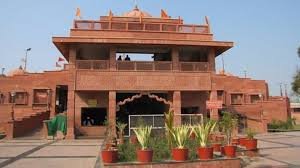
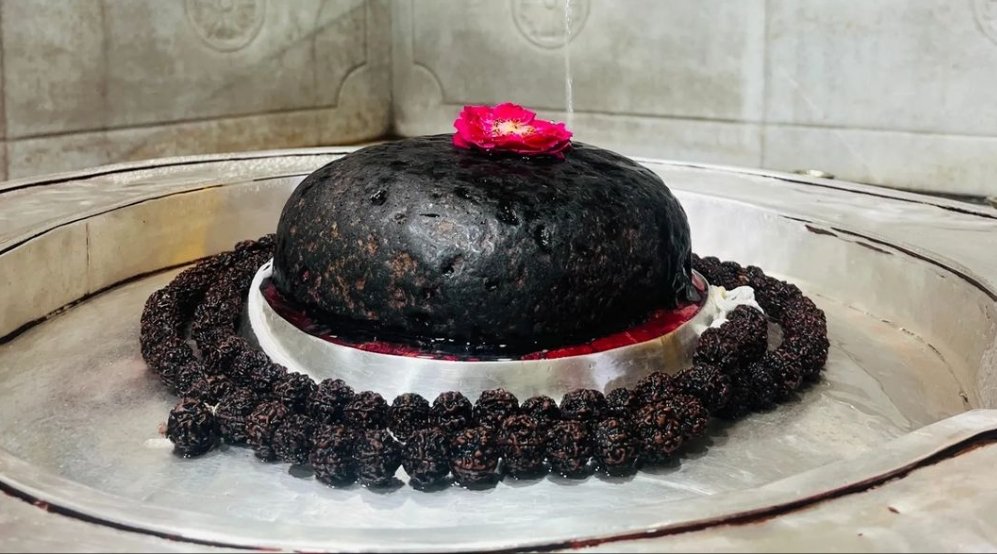
According to Hindu mythology Mangalnath Mandir is one of the most sacred temples of Ujjain as Lord Mangal (Mars) is said to be born in this temple. The temple is situated on the peaceful banks of the holy river Shipra River and is visited by devotees from all over India for Mangal Dosh Nivaran, Bhat Puja, and planetary peace.
The temple is a place of worship, with many pilgrims coming to the site to participate in religious ceremonies, but it is also a place of interest, and the pilgrims are interested in the spiritual significance of the site. The history of Mangalnath Mandir Ujjain, sheds light on the significance of the temple as a place of worship, astrology, and Vedic studies, making it a profound place of faith for centuries.
The Mangalnath Temple history has a close relation with the ancient Hindu scriptures, ancient mythology and the location of Ujjain as one of the oldest religious and astronomical centres in India. The story of Mangalnath Mandir Ujjain history not only illustrates the religion but also the contribution of the city towards astronomy, pilgrimage, and temple tradition.
But the Mangalnath Mandir’s historical significance still resonates in the hearts of millions of devotees, and the Mangalnath mandir’s origin and history are still a part of the sacred identity of Ujjain. Today, people from all over the world visit the ancient history of Mangalnath Temple, as well as historians, astrologers, and spiritual seekers.
The Mythological Origin of Mangalnath Mandir
The Mangalnath Mandir origin and history are from ancient Hindu mythology. The Matsya Purana and other beliefs tell of the birth of Lord Mangal (Mars) at this sacred place. Lord Mangal is considered to be the god of courage, strength, determination, energy, and discipline. As a result of this divine connection, the temple was named Mangalnath, which translates to “Lord of Mangal.
Worship of Lord Mangal at this sacred place is believed to bring blessings to devotees that can help to counter the negative effects of Mangal Dosh and enhance the positive influences in their lives. This belief has been transmitted from generation to generation and is the basis for the history of Mangalnath Mandir Ujjain.
The mythological relationship of the temple makes it one of the most important places for people who look for remedies for their astrological problems and spiritual guidance.
Mangalnath Temple and Ancient Ujjain
Without acknowledging the significance of the ancient Ujjain itself, one cannot understand the history of mangalnath mandir Ujjain. Historically known as Avantika, Ujjain has been one of the seven sacred cities (Sapta Puri) of Hinduism and an important centre of religion, learning, and astronomy for thousands of years.
Ancient scholars saw Ujjain as a special geographical & astronomical landmark point. The city’s location was ideal for astronomical observation and it had been a favored site for astronomers for centuries. This association was strengthened by the location of Mangalnath Temple which was linked to the study of planetary movements, especially that of Mars.
This is the reason that this astronomy and spirituality connection of Mangalnath Mandir makes it a special temple among India’s holy temples.
Ancient History of Mangalnath Temple in Hindu Scriptures
The references of the old mangalnath temple history can be seen in several Hindu religious beliefs and in the Puranic scriptures which mention Ujjain as a land blessed by Lord Shiva and Navagrahas.
Legend has it that the ancient sages meditated, conducted the Vedic rituals and worshipped the planets here. As the years went on, the temple began to be strongly identified with rituals designed to counterbalance the power of Mars in a horoscope.
These traditions have been maintained over the years and make a significant contribution to the mangalnath mandir ujjain history. Many of the rituals carried out at the temple are still in use today and date back to ancient Vedic times when the learned priests took care of them.
Historical Importance of Mangalnath Mandir
The mythological importance of the mangalnath mandir is not the only factor. It’s a rare confluence of faith, astrology and ancient Indian wisdom.
Mangalnath Mandir is not like any other temple dedicated to a single deity, but is more associated with planetary worship. This differentiation has made it one of the most reputed performing centres of Bhat Puja, Mangal Dosh Nivaran Puja, Navagraha Shanti and the other Vedic ceremonies.
Kings, scholars, saints and devotees come to this temple to seek out the blessings and guidance of the divine for centuries now. This is a tradition that has been continued till date, thus maintaining the historical and spiritual importance of the temple.
This seems to be an unbroken stream of devotion that has continued in the present day, in the mangalnath mandir ujjain history.
Architectural Legacy Through the Centuries
The temple is dedicated to the worship of God, but it has been restored and preserved at various times.
Resembling many of the significant temples of Ujjain, Mangalnath Mandir has been supported by various rulers and devotees, who have supported the maintenance and reconstruction of the temple, while upholding its sacred identity.
The temple is located on a raised platform above the Shipra River, which adds to its beauty and sacredness. The tranquility that is maintained is a reflection of the spiritual essence that is described in the ancient history of mangalnath temple.
The site today is an important religious landmark and a monument of continuity in religious life for centuries.
Why the Temple Remains Important Today
The Mangalnath Mandir origin and history are ongoing and continue to impact the lives of the devotees in India and other regions of the world.
Thousands of pilgrims visit the temple for rituals every year for:
- Mangal Dosh Nivaran
- Bhat Puja
- Navagraha Shanti
- Marriage-related obstacles
- Career growth
- Health and prosperity
- Family well-being
The ongoing practice of these rituals reflects the relevance of the mangalnath temple history in the present Hindu religious practice.
The temple is one of the most significant centres for the planet Mars for the astrologers. For those who believe, it still remains a sacred place where mythology, faith, and ancient Vedic beliefs converge.
Preserving the Spiritual Heritage of Mangalnath Mandir
The mangalnath mandir historical significance is not limited to its ancient past. It is maintained daily with the ritual, prayers and devotions of priests and pilgrims.
The temple still practices the traditional mode of worship and welcomes people from all around the world who come seeking spiritual guidance and astrological remedies.
The temple continues to uphold these centuries-old traditions and practices, keeping the mangalnath mandir ujjain history alive and vibrant instead of frozen in time.
It is one of the most revered pilgrimage sites in India, with a deep reverence for Lord Mangal, the sacred Shipra River and the spiritual legacy of Ujjain.
Experience the Holy Heritage of Mangal Nath Mandir Ujjain
The Mangalnath Mandir Ujjain history helps devotees understand the sacred significance behind every offering of prayers at this holy temple. From the history of mangalnath mandir ujjain in Hindu mythology to the old Mangalnath temple history related to astronomy and Vedic traditions, each feature of this temple speaks about hundreds of years of unwavering devotion.
In Mangal Nath Mandir Ujjain, devotees get an opportunity to perform genuine Bhat Puja, Mangal Dosh Nivaran Puja, Navagraha Shanti, and other Vedic rituals performed by professional priests. If you are interested in knowing the history of mangalnath temple, the mangalnath mandir historical significance or blessings from Lord Mangal, then Mangal Nath Mandir is your destination.